Interior Design
Colour Schemes and Layout Ideas for Polish Apartment Interiors
Polish apartments, particularly those built between the 1950s and 1990s, present a consistent set of dimensional and structural constraints. Ceiling heights are typically lower than in older pre-war buildings, room widths are standardised, and natural light is heavily determined by block orientation. These factors shape which colour and layout decisions work in practice.
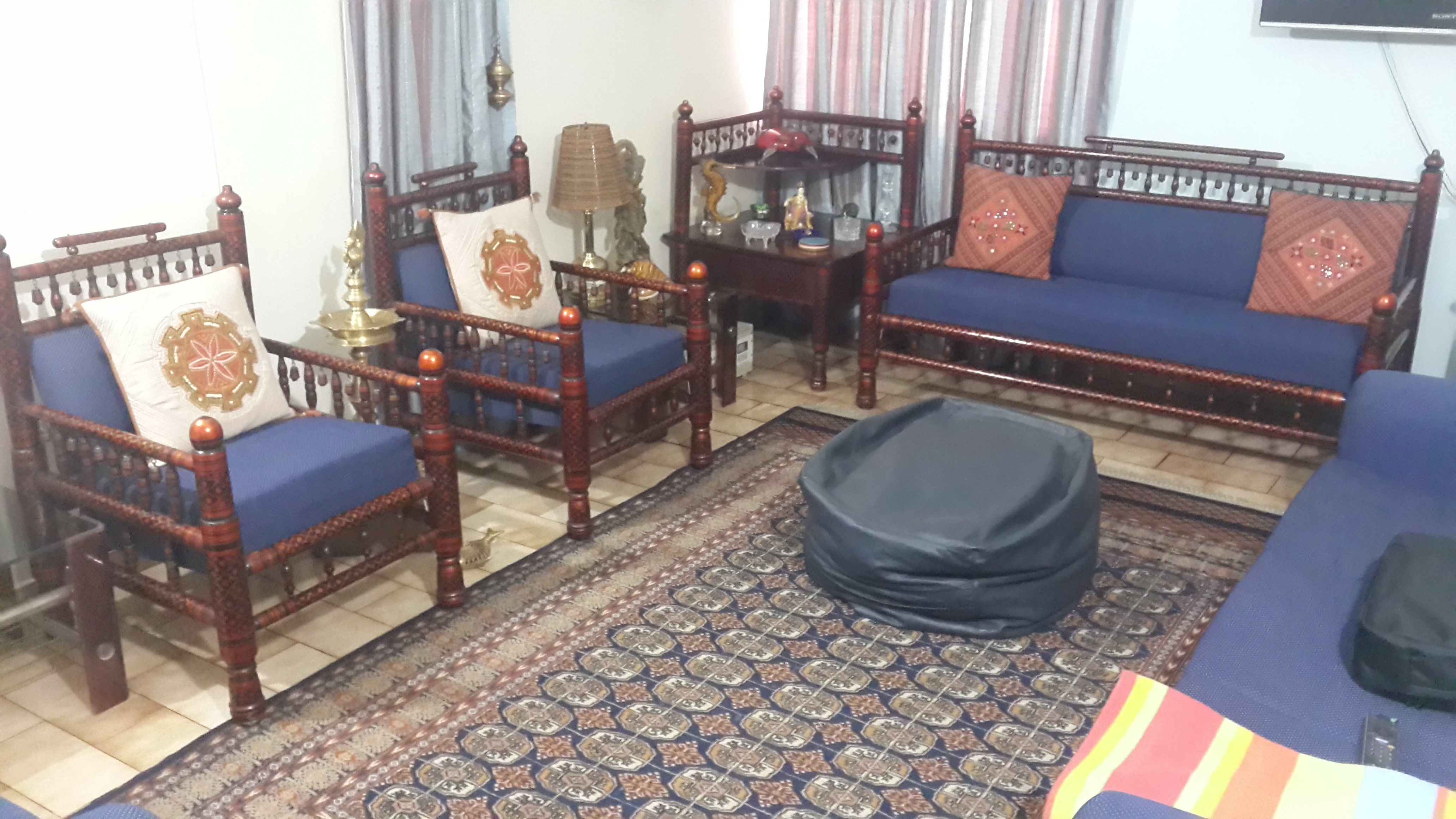
Understanding light conditions in Polish housing stock
Poland is at latitudes between approximately 49° and 55° N. At these latitudes, north-facing rooms receive no direct sunlight at any time of year. South-facing rooms receive low-angle winter sunlight but can overheat in summer. This orientation effect is more pronounced in blocks with rigid east-west or north-south orientations — common in large housing estates (osiedla mieszkaniowe) from the 1960s through the 1980s.
Before selecting paint colours, assess each room's orientation and how light changes throughout the day. A colour that reads as warm cream in a south-facing room may read as grey-beige in a north-facing one due to the cooler, indirect light.
Practical assessment method
Paint sample cards rarely reflect how a colour will look on a full wall in your specific room. A more reliable approach is to apply a 30×30 cm patch of the candidate colours directly to the wall, in the corner that receives the least light, and observe them at different times of day and under artificial lighting. This takes a day but prevents costly repainting decisions.
Colour strategies by room type
Hallways and entrance areas
Polish apartment hallways are frequently narrow — widths of 1.0 to 1.4 metres are common in block construction. These spaces typically have no windows and rely entirely on artificial light. In these conditions:
- Light colours (LRV 70+) extend perceived space more than dark ones, but in pure artificial light the specific warm or cool undertone matters less
- High-gloss surfaces reflect light and can increase perceived brightness, but they also amplify surface imperfections on older plaster
- Eggshell or satin finishes offer a practical middle ground — more reflectance than matt, but less unforgiving of substrate imperfections
Living rooms in panel-construction blocks
Living rooms in standard Polish blocks (bloki z wielkiej płyty) often have dimensions around 16–22 m². Ceiling heights are typically 2.5 metres, which is lower than in pre-war construction. This limits the impact of vertically oriented design strategies that work well in taller spaces.
Effective approaches for these proportions:
- Painting the ceiling 2–3 shades lighter than the walls creates a sense of vertical space without dramatically altering the room's character
- Horizontal banding — a darker tone below a dado rail height and lighter above — works against perceived ceiling height and is best avoided in rooms already below 2.6 metres
- A single accent wall in a deeper tone can provide definition without the visual compression of all four walls in the same mid-tone
Kitchens
Polish apartment kitchens are often separate rooms rather than open-plan, particularly in older blocks. Sizes range from compact galley arrangements around 6–8 m² to larger separate kitchens of 10–14 m².
Colour in kitchens is largely determined by the kitchen furniture. Wall areas visible above worktops and above upper cabinets are relatively limited. Where wall colour is visible:
- A neutral warm white or light grey provides flexibility when changing kitchen furniture without repainting
- Tiles offer more durability and easier cleaning than painted surfaces behind hobs and worktops
Spatial layout principles for small apartments
Furniture sizing
Standard Polish apartment dimensions create specific furniture sizing constraints. A living room width of 3.3 metres, for example, will not comfortably accommodate a standard 3-seat sofa (220 cm) plus side tables with adequate circulation space on both sides. Measuring the room and the furniture before purchase is necessary — floor area alone is not sufficient information.
Scale drawings on graph paper, or simple room planning tools, allow arrangement options to be tested before purchase. This is particularly relevant for L-shaped sofas, which require a minimum room width to avoid blocking circulation to the balcony or adjacent rooms.
Storage integration
In apartments without dedicated storage rooms, furniture selection needs to account for storage function. Built-in wardrobes (szafy wnękowe) make efficient use of wall recesses common in older blocks. Floor-to-ceiling wardrobes in bedrooms maximise vertical space and avoid the visual interruption of a capped wardrobe at 2.0 metres in a 2.5-metre-ceiling room.
Under-bed storage and ottomans with storage capacity serve smaller bedrooms where wardrobe space is limited.
Open-plan conversions
Combining the kitchen and living room by removing a non-structural partition is a common renovation intervention in Polish apartments, and creates a significantly larger functional space. When planning this:
- Confirm the wall is non-load-bearing before any work begins (consult a structural engineer — not the building's maintenance company)
- Cooking odours and noise will distribute through the combined space — extraction quality becomes more significant
- Zone definition through floor materials (continuing one material through the kitchen, using another in the sitting area) or ceiling-height variation through a suspended ceiling section can preserve spatial definition in the combined room
Colour temperature and artificial lighting
Paint colour and artificial lighting interact directly. Polish apartments were historically lit with incandescent bulbs (warm, approximately 2700K), but the transition to LED has introduced a wider range of available colour temperatures. Choosing paint colours under 4000K or 5000K cool LED light, then living with them under 2700K warm light (or vice versa), produces results that can differ noticeably from the intended scheme.
A practical approach is to select paint colours under the same lighting you intend to use in the finished space. If replacing all light sources, make that decision first and test paint samples under the final lighting conditions.
Note on paint system choice
The NCS (Natural Colour System) and RAL colour systems are both commonly referenced in Polish paint supplier catalogues. Different manufacturers' interpretations of nominally similar NCS or RAL codes can vary — when specifying a colour across multiple rooms or products, order sample pots and compare them side by side in the actual space.
Related: Renovation Planning Guide · Material Selection Tips