Practical guidance for every renovation stage
From initial planning through material selection to the final coat of paint — structured information for homeowners undertaking renovation projects in Poland.

Latest Articles
Renovation topics covered
Each article addresses a specific phase of home renovation with practical detail and locally relevant context.

Planning
How to Plan a Home Renovation: A Room-by-Room Framework
Sequencing works correctly prevents costly rework. This guide outlines which trades to schedule first and how to manage permit requirements in Poland.

Materials
Choosing Renovation Materials: Durability, Cost, and Polish Building Standards
Floor coverings, wall finishes, and joinery vary widely in longevity. Factors relevant to Polish climatic conditions and local supplier availability explained.
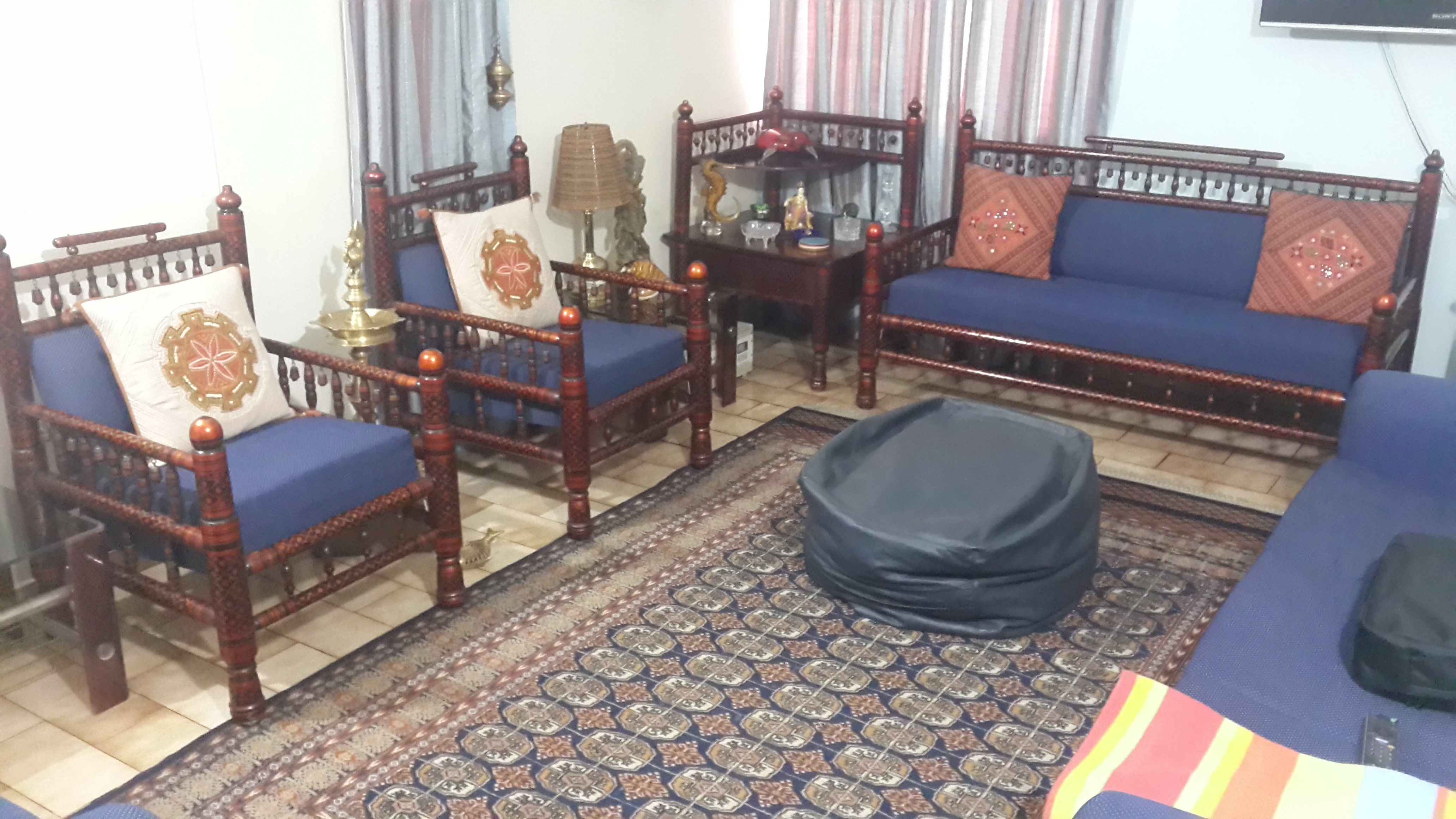
Interior Design
Colour Schemes and Layout Ideas for Polish Apartment Interiors
Apartment dimensions common in Polish housing stock present specific constraints. Colour and spatial strategies that work within these parameters.
Key Principles
Where renovations go wrong — and how to avoid it
01
Sequence matters
Electrical and plumbing rough-in must precede plastering. Reversing this sequence means opening finished walls — a common and expensive mistake in hastily managed projects.
02
Moisture control first
In Polish multi-family buildings, waterproofing wet zones before tiling is required under PN-EN standards. Skipping this step leads to mould and structural damage within a few years.
03
Budget contingency
Behind-wall surprises — corroded pipes, outdated wiring, or deteriorated substrates — are common in pre-1990s Polish construction. A 15–20% contingency buffer is standard practice.
04
Material lead times
Imported tiles, custom joinery, and specialist fittings often carry 6–12 week lead times. Ordering before demolition begins keeps the schedule on track.
05
Written contracts
Under Polish civil law, verbal agreements with contractors carry limited protection. Written contracts specifying scope, milestones, and retention payments are standard for any work above a nominal value.
06
Natural light assessment
Before finalising paint colours or flooring, assess how natural light changes across the day and seasons. North-facing rooms in Polish latitudes receive limited direct sunlight, affecting how colours read in practice.

Interior Layout
Spatial planning in compact apartments
Polish apartment construction from the 1970s through the 1990s frequently produced floor areas between 38 and 65 m². Within these dimensions, furniture placement and storage integration determine how functional a space feels day-to-day.
Standardised room widths — often 3.0 to 3.6 metres in panel-construction buildings — mean that certain sofa and wardrobe configurations are impractical. Understanding these constraints before purchasing furniture avoids common fit problems.
The articles on this site address specific room types, materials, and spatial strategies relevant to this housing context.